Bathroom Tiles: Ideas, Materials, and Setup
Date
2026-01-10 11:43:26
Category
Bathroom
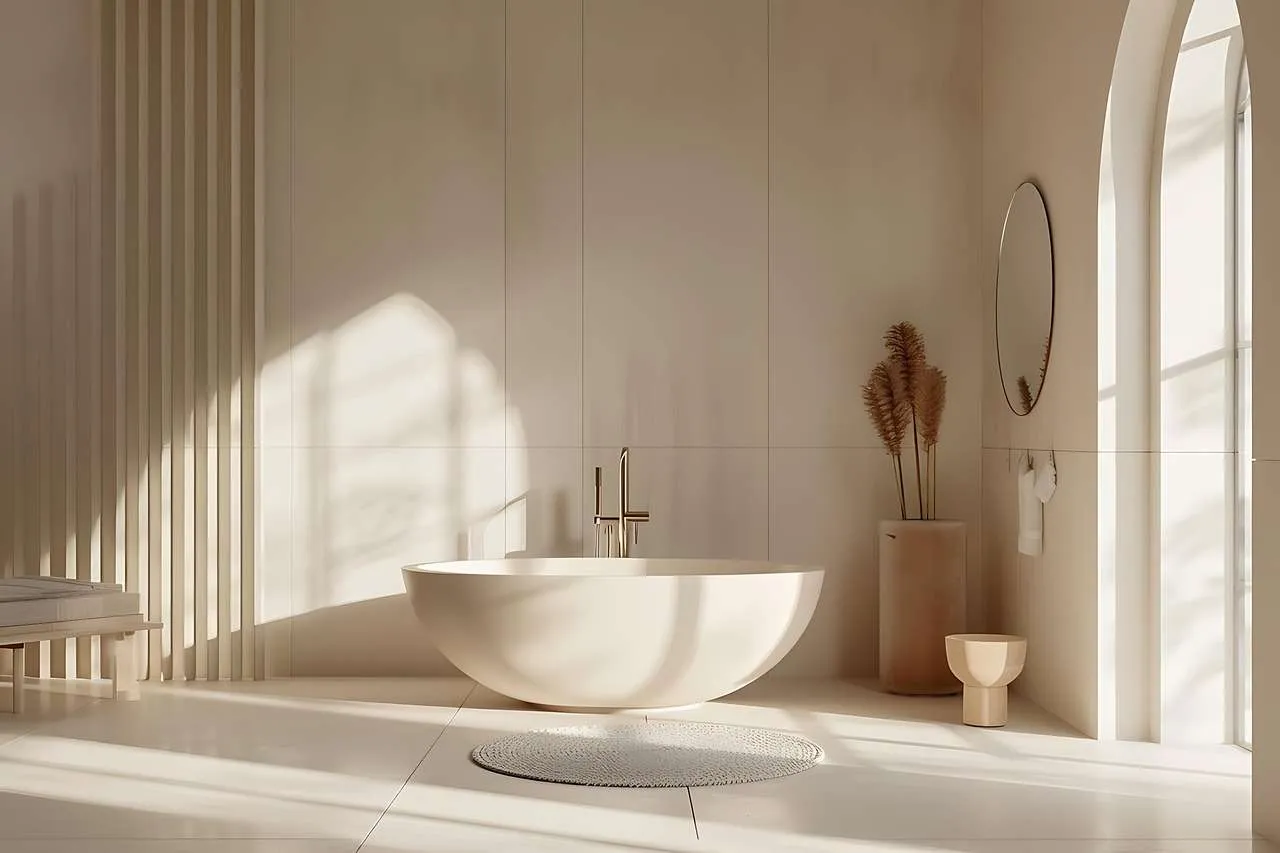
Choosing bathroom tiles is more than style—it's about water resistance, slip safety, and long-term durability. When people search for bathroom tiles, they want practical guidance on materials, maintenance, and costs, as well as design ideas that fit their space. This article covers popular tile materials, key factors to consider, installation tips, and a practical comparison to help you pick tiles that look great and perform reliably in wet environments.
Popular tile materials for bathrooms
Ceramic tiles are a common entry point for many bathrooms. They are affordable, easy to cut, and come in a wide range of colors and patterns. Porcelain tiles are denser and less porous, often more durable and water resistant, making them suitable for floors and high traffic showers.
Ceramic tiles
Ceramic tiles are made from clay fired at high temperature. They are lightweight, forgiving to install, and budget friendly. They accept a wide range of glazes, which makes them versatile for walls and backsplashes. On floors, ensure a strong grout line and a slip resistant glaze to reduce fall risk.
Porcelain tiles
Porcelain is a subtype of ceramic fired to higher temperatures and with finer clays. Porcelain tiles are dense, durable, and often less porous, which improves water resistance and makes them ideal for showers, tub surrounds, and floors in busy bathrooms.
Natural stone tiles
Natural stone such as marble, granite, or travertine offers a premium look. Each tile has unique veining, but porosity varies and sealing is usually required to prevent staining and water damage. Stone tiles may need more maintenance but can pay off in luxury and resale value.
Glass and mosaic tiles
Glass tiles add reflectivity and a modern touch, frequently used as accent strips or small backsplashes. They require careful installation to avoid uneven grouts and are typically nonporous, cleaning easily but showing water spots on some finishes.
Key factors to consider when choosing bathroom tiles
- Slip resistance for floors and wet areas
- Water absorption and porosity
- Tile size and layout for space perception
- Maintenance requirements and cleaning products
- Durability and cost over the long term
- Compatibility with underfloor heating and humidity
Design ideas and patterns
Patterns such as subway tile layouts, herringbone, and large format tiles can change the perceived size of a bathroom. Lighter colors brighten small spaces, while dark grout or contrasting trims create definition. Combine neutral wall tiles with a bold accent strip or a shower niche to balance elegance and practicality. Consider using a light wall tile with a coordinating floor tile to create cohesion in smaller baths.
Installation tips and maintenance
Professional installation ensures proper layout, waterproofing, and long-term performance in wet zones. For DIY projects, plan for cutting, substrate preparation, and appropriate mortar. After installation, seal natural stone if required and apply a grout sealer where applicable. Regular cleaning with nonabrasive cleaners, promptly addressing chips, and resealing grout every 1 to 2 years extend tile life and keep surfaces looking new.
Comparison of common bathroom tile materials
| Material | Pros | Cons | Best Use | Maintenance |
|---|---|---|---|---|
| Ceramic | Affordable, versatile | Less durable on floors | Walls, backsplashes, light traffic floors | Low to moderate |
| Porcelain | Very durable, low porosity | Can be more expensive | Floors, showers, high traffic areas | Low |
| Natural Stone | Premium look, unique veining | Porous, requires sealing | Showers, vanity tops, luxury floors | Moderate to high |
| Glass | Bright, reflective, modern | Slippery on floors, fragile | Accent walls, backsplashes | Low |
| Mosaic/Small Format | Detail, pattern flexibility | Grout maintenance | Borders, shower niches, decorative floors | High |
Maintenance best practices
Seal natural stone when required, use nonabrasive cleaners, wipe water spots, and address chips promptly. Choose grout sealed options or epoxy grouts for high moisture zones to minimize staining. Regular inspections help prevent leaks and costly repairs.
Summary, selecting bathroom tiles requires balancing aesthetics, performance, and maintenance. Ceramic and porcelain offer broad style choices and durability, natural stone adds luxury with proper sealing, and glass or mosaic tiles provide accents. Consider slip resistance, porosity, tile size, and long term upkeep, and consult a reputable installer to ensure moisture protection and a lasting result.
Related Articles
Small Bathroom Ideas: Maximize Space Efficiently
Read More >
Bathroom Tile: Styles, Tips & Trends
Read More >
Bathroom Decor Ideas for a Fresh Look
Read More >