Bathroom Tile: Styles, Tips & Trends
Date
2026-01-10 11:42:20
Category
Bathroom
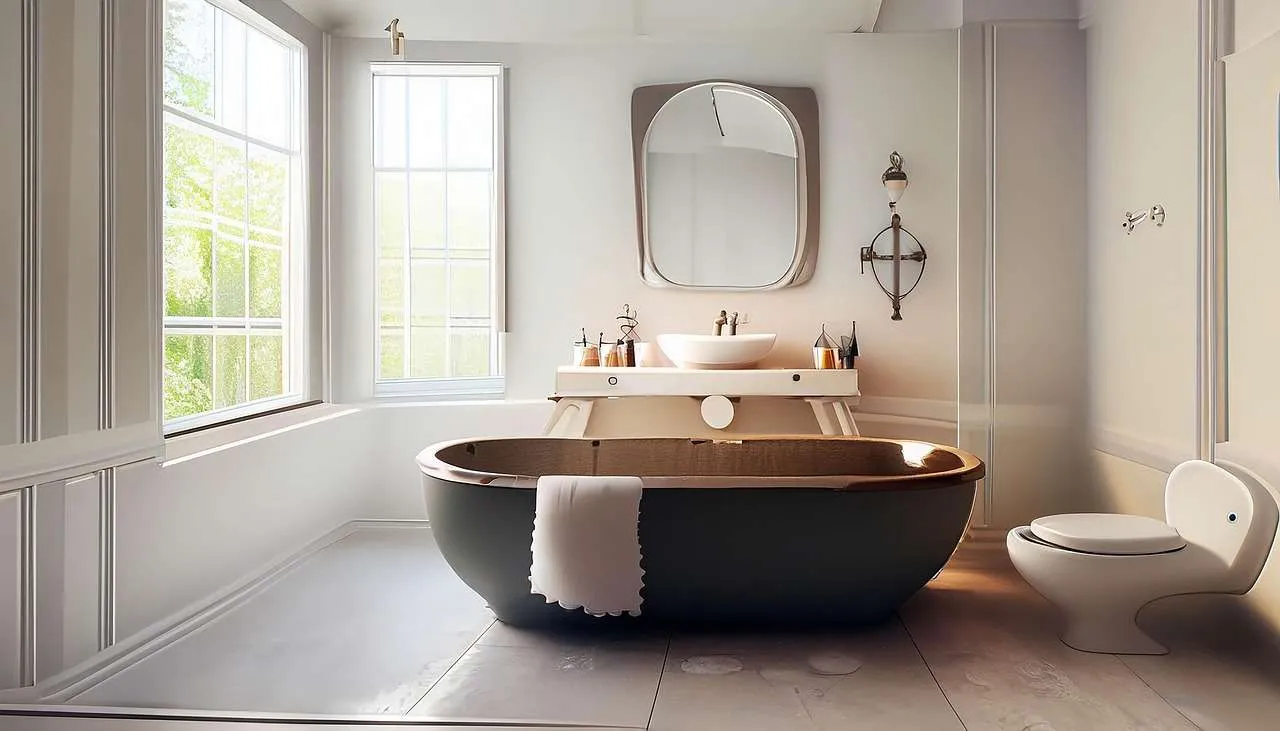
Bathroom Tile: Styles, Tips & Trends
Choosing the right bathroom tile is about balance: durability in wet spaces, visual appeal, and long-term value. With more than a decade of experience in bathroom tile projects, I’ve learned how to pair performance with style. This guide covers common tile types, installation considerations, maintenance practices, and practical design ideas to help you achieve a space that looks great and lasts.
Understanding bathroom tile options
Tiles come in a range of materials, textures, and prices. The right choice depends on where the tile will be used (floor, shower, backsplash), traffic level, and your maintenance tolerance.
Ceramic tile
Ceramic tile is typically affordable, easy to cut, and available in countless colors and patterns. It is a versatile option for walls and light-traffic floors. Glazed ceramic offers a protective layer that resists stains, but it can be more prone to chipping than harder surfaces.
Porcelain tile
Porcelain is a dense, water-resistant derivative of ceramic that performs well in wet areas and on floors. It tends to be more durable and less porous, making it a popular choice for showers and bathroom floors. Some porcelain tiles mimic natural stone or marble, providing a sophisticated look with lower maintenance.
Natural stone
Stone tiles such as marble, travertine, or slate bring unique patterns and warmth. They elevate luxury bathrooms but require sealing and ongoing maintenance to protect against staining and water absorption. Regular resealing and proper ventilation help extend their life.
Glass tiles
Glass tiles create reflectivity and a contemporary vibe, often used for backsplashes or accent walls. They’re easy to clean but can be slippery when used on floors and may show water spots in hard water environments. Smaller mosaic glass tiles can be striking in showers and niches.
Where to use each tile type
Placement matters for durability and aesthetics. Use durable, water-resistant tiles on floors and in showers. Lighter, decorative tiles work well for walls, backsplashes, and features that you want to highlight.
- Floor: Porcelain or glazed ceramic for durability and slip resistance.
- Shower walls: Porcelain or high-quality ceramic with a sealed grout.
- Shower niche and accent walls: Glass or porcelain mosaics add texture and interest.
- Backsplash: Ceramic or glass tiles offer easy cleaning and style variety.
Sizes, patterns, and layouts
Tile size influences both the look and the ease of installation. Large-format tiles (12x24 inches or bigger) can make small bathrooms feel larger and reduce grout lines. Mosaics (1x1 inch to 2x2 inch) provide slip resistance and texture, especially in shower floors. Patterns like herringbone, diagonal on-point spacings, or stacked offsets create visual interest. Consider a layout that minimizes cuts and aligns with fixtures for a cleaner finish.
Finish, color, and texture considerations
Finish choices affect maintenance and feel. Matte finishes hide minor water spots and footprints, offering a contemporary look with better slip resistance. Gloss finishes appear brighter and are easier to wipe clean but show smudges more readily. Textured surfaces add grip but require more frequent cleaning in wet zones. Color can define the space: light tones brighten small bathrooms; dark or saturated colors create drama in larger rooms or as accent walls.
Installation considerations and budget
Professional installation is often worth the investment for wet areas, plumb lines, and ensuring waterproofing behind showers. Important steps include slope management for showers, proper waterproofing membranes, substrate preparation, and careful grout selection. DIY-friendly tiles isn’t a universal badge—plan for accurate cuts, consistent spacing, and sealing where needed. Budgeting should include materials, substrate prep, adhesives, grout, sealers, and labor, plus a small contingency for unexpected issues.
Maintenance and longevity
Maintenance varies by material. Porcelain and ceramic tiles with glazed surfaces resist stains; clean with pH-neutral cleaners and avoid harsh acids. Stone requires periodic sealing and more mindful cleaning to prevent staining. Glass tiles are easy to wipe but can require more frequent grout inspection. Regular inspection of grout lines and resealing stone or porous tiles every few years helps preserve appearance and performance.
Tile comparison and cost considerations
| Tile Type | Pros | Cons | Best Use | Approx. Cost (per sq ft) |
|---|---|---|---|---|
| Ceramic | Affordable, wide range, easy to cut | Less durable than porcelain, porous if not sealed | Walls, backsplashes, light floors | $1-$5 |
| Porcelain | Dense, water-resistant, durable | Harder to cut; installation may require skilled trades | Floors and wet areas | $2-$7 |
| Natural Stone | Unique beauty, long life | Sealing and maintenance; higher cost | Showers, floors, accents | $5-$20 |
| Glass | Reflective, modern look; easy to clean | Slippery on floors in some finishes; higher cost | Backsplashes, accent walls | $8-$30 |
When planning a bathroom tile project, start by defining zones, choosing materials that align with moisture exposure and maintenance tolerance, and selecting a color story that complements your fixtures and cabinetry. Consult a licensed installer for the waterproofing and tile layout in wet areas to ensure long-term performance.
Practical tips for a successful bathroom tile project
To maximize EEAT and deliver a reliable result, rely on reputable brands, confirm installer credentials, and request a written plan with substrate prep, waterproofing details, tile layout, grout type, and a maintenance schedule. Request a few project references and photos of previous bathrooms to gauge workmanship. A well-documented process reduces risk and increases satisfaction with your bathroom tile project.
Summary: Selecting the right bathroom tile involves understanding material properties, space-specific needs, and maintenance requirements. Porcelain offers durability for floors and showers, ceramic provides affordability for walls, natural stone adds luxury with sealing needs, and glass creates brightness for backsplashes. Plan layouts around fixtures, consider slip resistance for wet zones, and budget for professional installation and proper waterproofing. With thoughtful choices and proper care, bathroom tile can deliver enduring beauty and value.
Conclusion
Conclusion, a well-planned bathroom tile strategy balances durability, style, and care. By choosing the right materials for each zone, coordinating patterns with space, and hiring skilled installers for waterproofing and layout, you achieve a timeless bathroom that remains beautiful and functional for years.
Related Articles
Small Bathroom Ideas: Maximize Space Efficiently
Read More >
Bathroom Decor Ideas for a Luxe Space
Read More >
Bathroom Decor Ideas for a Fresh Look
Read More >