Home Window Tint: Energy, Privacy, and Comfort
Date
2026-01-10 11:48:46
Category
Window
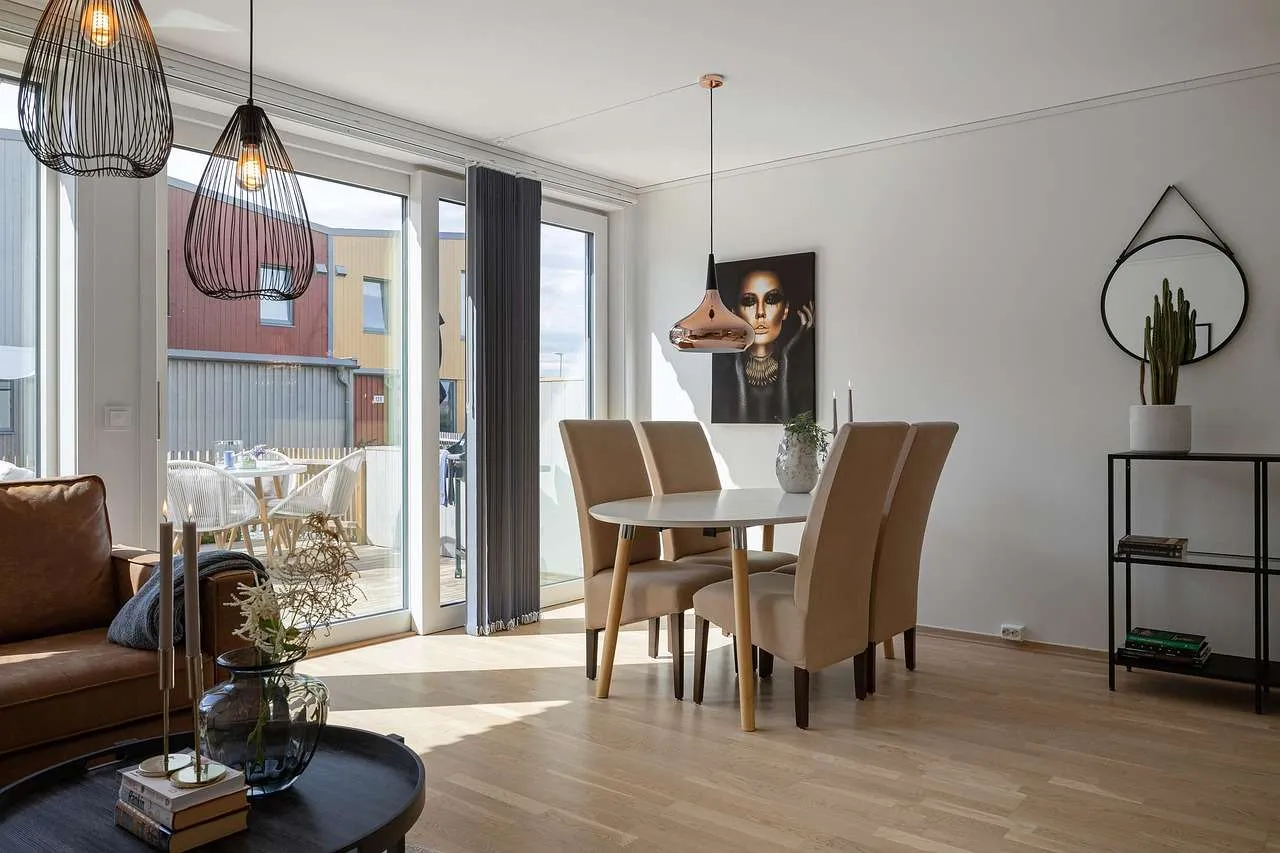
Understanding Home Window Tint
Home window tint refers to a thin film applied to interior or exterior glass to reduce heat, glare, and UV exposure while improving privacy and comfort. With the right product, homeowners gain better temperature control, lower energy costs, and enhanced interiors. Choosing the right tint combines practical benefits with aesthetic appeal, and a strategic approach to installation demonstrates expertise, authority, and trustworthiness.
Why people choose home window tint
- Heat rejection: Reduces cooling loads in hot climates and warms spaces in cooler ones.
- UV protection: Blocks up to 99% of harmful ultraviolet rays to protect furnishings and skin.
- Privacy and glare control: Limits visibility from the outside while maintaining daylight inside.
- Energy efficiency: Can lower monthly energy bills and support sustainable living.
- Safety and aesthetics: Adds a layer of shatter resistance and a cohesive interior look.
What is contained in residential window tint?
Window films come in several technologies, each with different advantages. When selecting a product, consider climate, window type, and local regulations. An experienced installer will help verify compatibility with sash materials, coatings, and any multi-pane systems.
Types of residential window tint
Dyed films
Dyed films use colored dyes to reduce light transmission. They are a budget-friendly option that provides good privacy and glare reduction but offer modest UV protection and can fade over time. They are a common entry point for DIY projects.
Metalized films
Metalized films incorporate metal layers to reflect heat and reduce glare. They can enhance strength and provide solid energy savings, but can interfere with electronics such as GPS, key fobs, and some phone signals. They also may show visible reflective patches from the outside.
Ceramic films
Ceramic films use non-conductive ceramic particles to reject heat while preserving daylight and color accuracy. They offer excellent UV protection, minimal signal interference, and strong durability, making them a popular choice for modern homes and high-end designs.
Carbon and hybrid films
Carbon films deliver heat rejection and a neutral appearance without the reflectivity of metalized options. Hybrid films combine materials to balance heat control, visibility, and price, often delivering a non-reflective, natural look suitable for most homes.
Installation options
Two main paths exist: DIY installation and professional installation. DIY kits are accessible for smaller projects or single-pane windows, but professional installation ensures a precise fit, edge sealing, and warranty coverage. A trained installer will measure accurately, prep glass properly, remove dust, and apply the film with a heat gun or squeegee to avoid bubbles and folds.
Key considerations when choosing installation: window type (single vs double pane), frame material, climate, and whether the film is compatible with existing coatings or low-E layers. Professionals also help with compliance, warranties, and ensuring that the tint meets local tint percentage limits where applicable.
Costs, savings, and maintenance
Costs vary by film type, window size, and labor. Typical ranges are:
- Dyed films: $5–$8 per square foot
- Metalized films: $8–$12 per square foot
- Ceramic films: $10–$15 per square foot
- Carbon/hybrid films: $8–$14 per square foot
Energy savings depend on climate and window orientation. In hot climates, high-performance films can cut cooling demand by 10–30% and reduce peak loads. In temperate regions, the benefit is more about glare reduction and UV protection. Maintenance is straightforward: clean with a soft microfiber cloth and a mild cleaning solution, avoiding abrasive tools that could scratch the film.
Legal and trust considerations
Check local regulations for allowed tint percentages, especially for front windows and side mirrors. For EEAT, look for licensed, insured installers with clear warranties, verifiable references, and transparent pricing. Ask for before-and-after photos, air-tight edge seals, and a written warranty covering fading, bubbling, and adhesive performance. Experienced technicians can explain heat rejection ratings, UV cut levels, and visible light transmission (VLT) in plain terms, demonstrating expertise and authority.
Comparison at a glance
| Tint Type | Pros | Cons | Typical Cost (per sq ft) | Notes |
|---|---|---|---|---|
| Dyed | Low cost, good privacy | Fades over time, modest UV protection | $5–$8 | Best for budget projects |
| Metalized | Excellent heat rejection, durable | Potential electronics interference, reflective | $8–$12 | Useful in sunny climates |
| Ceramic | Strong UV rejection, non-reflective, durable | Higher cost | $10–$15 | Premium performance and appearance |
| Carbon/Hybrid | Non-reflective, good heat control | Variable price and performance | $8–$14 | Balanced option for many homes |
Final guidance for choosing home window tint
To maximize EEAT, select a product and installer with clear credentials, proven track records, and a transparent warranty. Start with a site visit or virtual consultation to confirm glass compatibility, energy goals, and budget. Compare multiple quotes that detail film type, visible light transmission, heat rejection, UV rating, and installation timelines. With the right tint strategy, homeowners enjoy improved comfort, longer furniture life, and a more energy-efficient home without sacrificing daylight or style.
Conclusion, careful selection of tint type, professional installation, and adherence to regional regulations deliver a balance of privacy, energy savings, and interior comfort for any home.
Summary: In summary, home window tint offers meaningful heat control, UV protection, and privacy, with options ranging from economical dyed films to premium ceramic solutions. By weighing film type, installation method, and local rules, homeowners can achieve lasting comfort, cost savings, and peace of mind through a trusted approach to window tinting.
Related Articles
Window Tint for Home: Smart Energy and Privacy
Read More >
Home Window Tinting: A Practical Guide
Read More >
Home Window Tinting Near Me: Local Guide
Read More >